Procurement & Warehousing
From sourcing and supplier coordination to receiving, storage, consolidation and export preparation, procurement and warehousing can turn multiple purchases into one organized shipping process.

For many customers, international shipping begins long before cargo reaches a port. Goods may need to be sourced from several suppliers, collected from different locations, received into a warehouse, checked, stored and consolidated before they are ready to move overseas.
At Oteng Global Logistics, procurement and warehousing can support that journey by bringing purchasing, receiving and shipment preparation into a more organized process for customers moving goods from the United States to Ghana.
Procurement: Helping You Source What You Need
Procurement is more than simply buying an item. A practical procurement process can include identifying the requested goods, coordinating with suppliers, confirming order details, arranging pickup or delivery, and ensuring the purchased items reach the correct receiving location.
Organize purchases and shipment details from multiple vendors.
Receive goods into a designated warehouse or handling location.
Hold cargo until the remaining items are ready for consolidation.
Organize goods for packing, consolidation and onward shipping.
Warehousing Gives Your Cargo a Place to Come Together
A warehouse can act as the central point between procurement and international transportation. Instead of asking every supplier to coordinate separately with an overseas shipment, purchases can be received into one location, organized and prepared together.

This is especially useful for customers buying from several stores, wholesalers or manufacturers. Cargo can be received at different times, held temporarily and combined once the shipment is ready.
Why Cargo Consolidation Matters
Consolidation can reduce the complexity of managing many separate packages. When appropriate for the cargo and shipping method, multiple purchases can be grouped into one larger outbound shipment, making handling, documentation and shipment planning easier to follow.
- Confirm the products, suppliers and destination.
- Purchase or coordinate collection from approved suppliers.
- Receive goods at the warehouse.
- Check quantities and basic shipment details against available documentation.
- Store goods until the order or shipment is complete.
- Consolidate compatible cargo.
- Prepare packing lists and shipping information.
- Move the cargo into the selected ocean or air freight process.
Inventory Visibility and Better Organization
In 2026, warehousing is increasingly focused on resilience, smarter processes and better inventory visibility—not simply storing boxes. Accurate receiving, organized storage locations and clear shipment records help reduce mistakes and make it easier to know what has arrived and what is still outstanding.

When Goods Are Moving to Ghana
Once consolidated cargo is ready for export, the shipment can move into the international freight process. For goods entering Ghana, importers should prepare the required documentation before or by the time the cargo arrives.
Ghana Revenue Authority currently lists documents such as the original waybill or Bill of Lading, attested invoice, packing list, Import Declaration Form, TIN or GhanaCard PIN, and any required regulatory permits among the documents used in import clearance.
Warehousing Around Tema
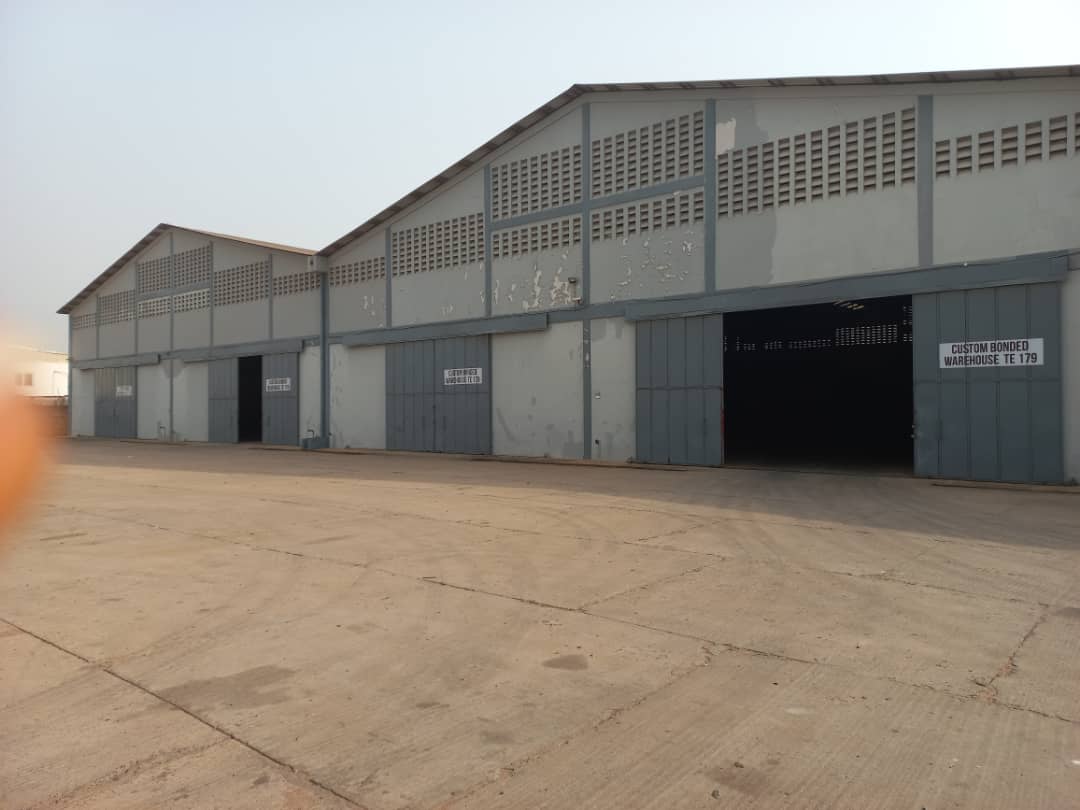
The Port of Tema is surrounded by logistics activity, including inland clearance depots, warehouses, transport companies and freight forwarders. Ghana Ports & Harbours Authority also reports both paved and covered storage areas at the port, alongside private warehousing facilities around Tema.
From Purchase Order to International Shipment
Procurement and warehousing work best when they are connected to the shipping plan. Knowing what is being purchased, when it will arrive, how long it may need to be stored, whether it can be consolidated and what documentation will be needed in Ghana helps avoid unnecessary delays later.
For Oteng Global Logistics, the value of this service is coordination: helping customers move from multiple suppliers and separate purchases toward one clearer, more manageable international shipment.