Container Shipping
Moving household goods, business inventory or commercial cargo from the USA to Ghana? Container shipping provides a practical ocean-freight option for both large and smaller consignments.

Container shipping is one of the most widely used ways to move goods internationally. For customers shipping from New York and other U.S. locations to Ghana, containers can carry household goods, personal effects, equipment, retail inventory and a wide range of commercial cargo.
At Oteng Global Logistics, the goal is to make the process easier to understand—from preparing cargo in the United States to documentation, ocean transportation and arrival in Ghana.
How Container Shipping to Ghana Works
Cargo is prepared and packed, received for export, loaded into a container and moved through the port for ocean transportation. At destination, the shipment enters Ghana’s customs and terminal process before it can be released.
FCL or LCL: Which Option Fits Your Shipment?
Full Container Load (FCL) generally means the customer uses a full container for the shipment. It can be suitable for larger household moves, commercial inventory or cargo volumes that justify dedicated container space.
Less than Container Load (LCL) allows smaller consignments to share container space with other cargo. It can be useful when a shipment does not require a full container. The best choice depends on cargo volume, dimensions, type, schedule and handling requirements.

Prepare and Pack Cargo Carefully
Strong preparation helps protect cargo and keeps shipment information accurate. Boxes and packages should be suitable for international handling, and commercial cargo should be clearly inventoried. Fragile, oversized, regulated or unusual goods may require additional preparation or documentation.
Customers should also confirm in advance whether any item is restricted or requires approval from a Ghanaian regulatory agency.
- Confirm the cargo type, quantity, dimensions and destination.
- Choose an appropriate FCL or LCL shipping arrangement.
- Pack, label and prepare the cargo.
- Prepare invoices, packing lists and other required documents.
- Complete export and terminal procedures in the United States.
- Load and transport the container by ocean freight.
- Prepare the Ghana import declaration and applicable customs processing.
- Complete release, terminal procedures and cargo collection or onward delivery.
Documents for Container Imports into Ghana
Ghana Revenue Authority currently lists an original waybill or Bill of Lading, attested invoice, packing list, Import Declaration Form, TIN or GhanaCard PIN, and any permits required for the type of goods among the documents used to clear imported cargo.
Customs declarations are processed through Ghana’s Integrated Customs Management System (ICUMS), where classification, valuation and approval form part of the clearance process.
Arrival at the Port of Tema
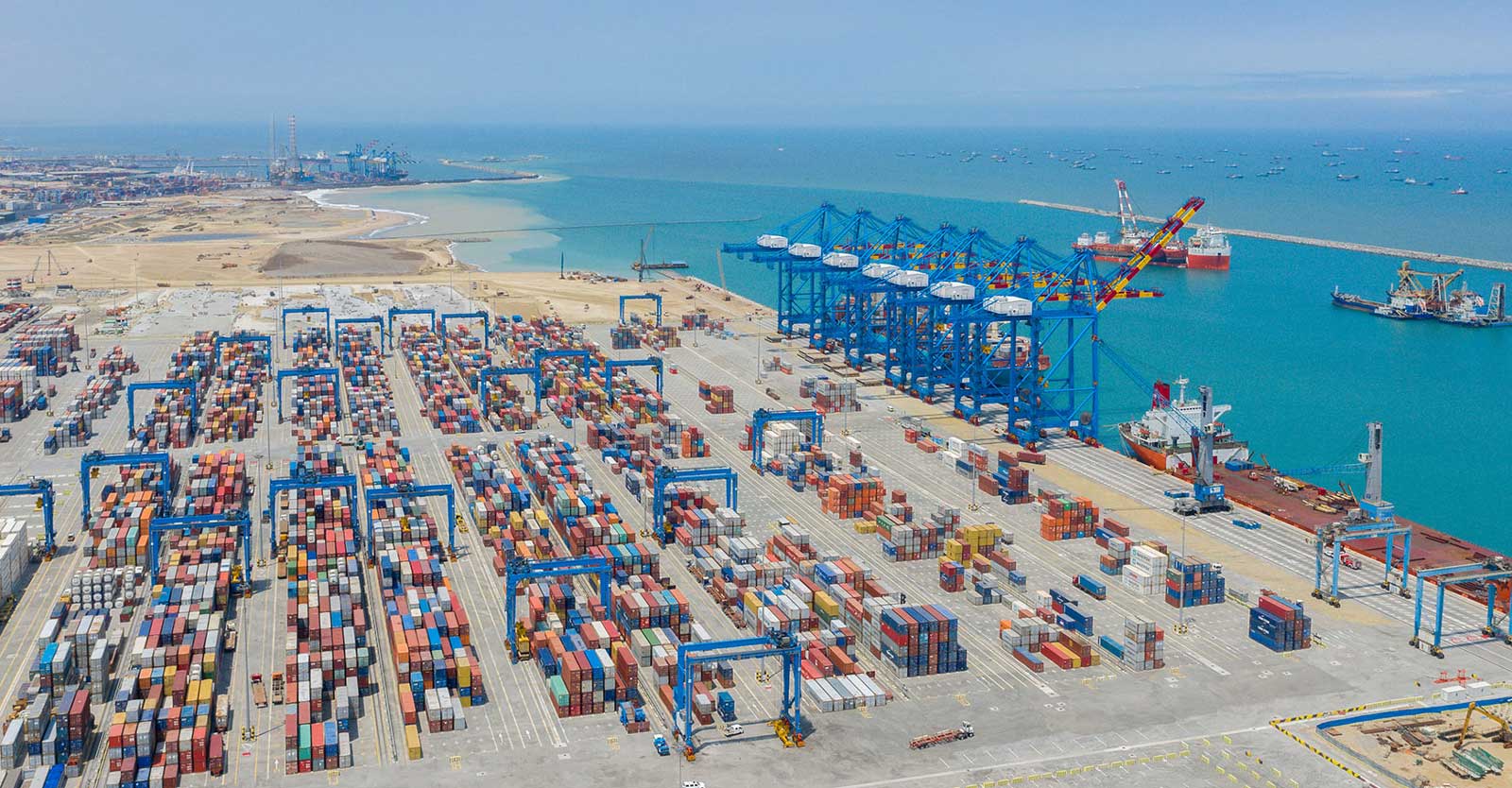
The Port of Tema is Ghana’s largest port and a major gateway for containerized cargo. Its dedicated container infrastructure supports international container vessels and cargo movement into Ghana and the wider region.
Why Prompt Clearance Matters
Container costs do not necessarily stop when the vessel arrives. Delays in customs or terminal collection can create additional storage or demurrage-related costs depending on the carrier and circumstances. Preparing documentation early and responding promptly during clearance can therefore be important.
From New York to Ghana With a Clearer Process
Whether you are moving personal effects, business inventory, equipment or other permitted cargo, container shipping works best when the shipment is planned around the cargo itself. Knowing the volume, destination, documentation and import requirements early makes it easier to choose the right approach.
For Oteng Global Logistics, container shipping is about more than filling a steel box. It is about helping families, entrepreneurs and businesses move what matters across the Atlantic with organization, communication and professional support.