Blog

We receive in Ghana

We Receive in Ghana | Oteng Global Logistics
Ghana Destination Support

We Receive in Ghana

When your shipment reaches Ghana, the journey is not over. We help coordinate the next steps—from arrival and clearance to receiving, handling and movement toward its final destination.

Oteng Global Logistics • September 2026 • 6 min read
Real cargo operations at Tema Port in Ghana
Tema Port is one of Ghana’s principal gateways for international cargo.

For customers shipping from the United States to Ghana, arrival at the port is one of the most important stages of the logistics process. Cargo must move through customs, terminal procedures and release before it can continue to a warehouse, collection point or final delivery destination.

At Oteng Global Logistics, “We Receive in Ghana” means helping connect the overseas shipping journey with the destination process on the ground.

Your Shipment Arrives in Ghana

Most containerized cargo moving into southern Ghana arrives through the Port of Tema. Once the vessel arrives and the cargo is discharged, import documentation and customs procedures must be completed before the shipment can be released from the port or terminal.

Receiving cargo in Ghana is not simply collecting a box or container. It is coordinating the steps between vessel arrival, customs release and the shipment’s next destination.

Clearance Starts With the Right Documents

Ghana Revenue Authority currently lists the original waybill or Bill of Lading, attested invoice, packing list, Import Declaration Form, taxpayer identification and any required regulatory permits among the documents used to clear imported goods.

A licensed clearing agent submits the customs declaration through Ghana’s Integrated Customs Management System (ICUMS), where the shipment goes through classification, valuation and approval before applicable duties and taxes are paid and the cargo is released.

A typical Ghana receiving journey:
  1. Confirm vessel arrival and shipment details.
  2. Prepare the Bill of Lading and supporting import documents.
  3. Submit the customs declaration through the appropriate clearing process.
  4. Complete valuation, duties, inspections or scanning where required.
  5. Obtain customs and terminal release.
  6. Receive or collect the cargo from the terminal.
  7. Move the shipment to a warehouse, collection point or onward destination.
  8. Confirm final pickup or delivery arrangements.

We Help Coordinate Cargo Receiving

Once the shipment is released, cargo may need to be collected, transferred, checked, temporarily stored or prepared for onward movement. The exact process depends on whether the shipment is a full container, consolidated cargo, household goods, commercial freight or a vehicle.

Real warehouse workers receiving and organizing cargo
Receiving and warehouse handling help move released cargo into its next stage.

From Port to Warehouse or Pickup

Some shipments are ready for customer collection after release. Others may need temporary warehousing, sorting, deconsolidation or coordination for onward transportation. A connected destination process helps customers avoid having to manage each step independently.

For container shipments, prompt evacuation from the port can also matter because storage and demurrage-related costs may increase when cargo remains at the terminal longer than expected.

2026: Tema Is Focused on Faster Cargo Movement

In 2026, Ghanaian authorities have been working to reduce congestion and improve container clearance at Tema. Recent measures have focused on faster inspection and clearance, improved coordination among agencies, better truck and container movement, and more efficient use of terminal space.
Important for importers: authorities continue to encourage cargo owners and clearing agents to clear and evacuate shipments promptly. Delays can create additional port, storage or demurrage costs depending on the shipment and carrier.
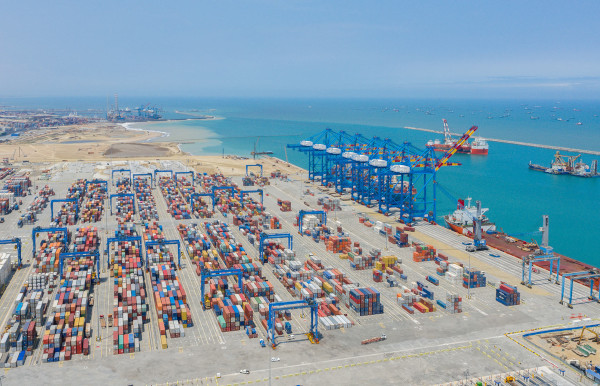
Real aerial view of Tema container terminal in Ghana
Tema’s container terminals support the movement of international freight into Ghana.

Receiving Vehicles in Ghana

Vehicle shipments have their own destination requirements. Accurate vehicle details and documentation are especially important because incorrect declarations can lead to queries and delays during customs processing. Customers should make sure the title, Bill of Lading and vehicle information are consistent before shipment.

Receiving Cargo With a Clearer Destination Process

For families and businesses, the shipment is only truly complete when the cargo has moved beyond the port and into the customer’s hands or onward destination.

For Oteng Global Logistics, “We Receive in Ghana” represents the destination side of the journey—helping connect international shipping with clearance, receiving, handling and the next movement on the ground.

TOPICS: CARGO RECEIVING GHANA • TEMA PORT CLEARANCE • SHIPPING USA TO GHANA • FREIGHT FORWARDING GHANA • CARGO PICKUP GHANA • CONTAINER CLEARANCE
We Ship | USA to Ghana Shipping | Oteng Global Logistics
International Shipping

We Ship

From the United States to Ghana, we help move cargo through a connected shipping process—from pickup and handling to ocean freight, documentation and destination arrival.

Oteng Global Logistics • September 2026 • 6 min read
Real container ship carrying international freight at sea
International shipping connects businesses, families and opportunities across oceans.

Shipping is the point where all the earlier logistics work comes together. Cargo has been purchased or prepared, picked up, received, handled and organized. The next step is moving it toward its destination.

At Oteng Global Logistics, “We Ship” means helping customers move cargo from the United States to Ghana through an organized process that connects origin handling with international transportation and destination preparation.

From the USA to Ghana

Whether you are shipping personal effects, household goods, commercial cargo, vehicles or containerized freight, the right shipping method depends on the size, weight, type and destination of the shipment.

Shipping is not just the ocean journey. It is the coordination that gets cargo from origin to destination with the right information at every step.
Container Shipping
FCL and LCL options for household goods, commercial cargo and consolidated freight.
Vehicle Shipping
International transport for cars, SUVs, vans and other eligible vehicles.
Consolidated Cargo
Combine compatible smaller shipments before international movement.
Pickup & Handling
Connect the first mile with warehousing, preparation and export shipping.

How the Shipping Process Works

Each shipment is different, but the process typically begins by confirming what is being shipped and where it needs to go. Cargo is then prepared for the appropriate freight method, shipping documents are organized and the freight moves through the export process toward the vessel.

Real shipping containers and cranes at a commercial port
Ports connect inland cargo movements with international ocean transportation.
A typical USA-to-Ghana shipping journey:
  1. Confirm the cargo, origin and destination.
  2. Select the appropriate shipping method.
  3. Pick up or receive the cargo when applicable.
  4. Pack, consolidate and prepare the shipment.
  5. Complete export and shipping documentation.
  6. Move the shipment through the U.S. port or export gateway.
  7. Transport the cargo by ocean freight to Ghana.
  8. Complete Ghana customs and terminal procedures before release.

Container, Vehicle or General Cargo?

Containerized freight is commonly used for household goods, equipment and commercial cargo. Vehicle shipments may move through RoRo or container services depending on the vehicle and available route. General and consolidated cargo may require different handling based on weight, dimensions and cargo type.

Tema handles a wide range of cargo, including containerized freight, machinery, equipment and vehicles. Ghana Ports & Harbours Authority states that more than 50 shipping lines and agencies provide direct and indirect shipping services through Tema.

Arrival at the Port of Tema

The Port of Tema is Ghana’s largest port and a major entry point for the country’s international trade. GPHA reports that Tema handles container ships, general cargo vessels, tankers and RoRo vessels, while its surrounding area supports warehouses, haulage companies, freight forwarders and inland clearance facilities.

Real photograph of cargo operations at Tema Port in Ghana
Tema Port is one of Ghana’s principal gateways for international cargo.

Documentation Matters

For cargo entering Ghana, customers should prepare destination documentation before the shipment arrives. Ghana Revenue Authority currently identifies the original waybill or Bill of Lading, attested invoice, packing list, Import Declaration Form, taxpayer identification and any required regulatory permits among the documents used in import clearance.

Plan before you ship: import requirements vary according to the cargo. Restricted or regulated goods may require permits or approvals, so customers should confirm Ghana’s current requirements before cargo leaves the United States.

Why Clear Communication Matters

International freight in 2026 is increasingly shaped by disruption, changing capacity and a greater need for shipment visibility. Current logistics research shows that leading providers are putting more emphasis on integrated services and real-time visibility rather than treating freight as a disconnected transaction.

For customers, that means the value of a logistics partner is not only in arranging transportation. It is also in helping connect pickup, handling, warehousing, documentation, shipping and destination procedures into one clearer journey.

We Ship What Moves Your Life and Business Forward

A shipment may be a container of business inventory, a family vehicle, household goods or a smaller consolidated load. Whatever the cargo, the goal is the same: prepare it correctly, move it through the appropriate shipping channel and help customers understand what comes next.

For Oteng Global Logistics, “We Ship” is the connection between where your cargo starts and where opportunity continues—in Ghana and beyond.

TOPICS: SHIPPING USA TO GHANA • NEW YORK TO GHANA • OCEAN FREIGHT • CONTAINER SHIPPING • VEHICLE SHIPPING • TEMA PORT

We pick Up and Handle

We Pick Up & Handle Your Cargo | Oteng Global Logistics
Pickup & Cargo Handling

We Pick Up & Handle

Your shipment does not have to start at our door. Pickup and cargo-handling support can help move your goods from their starting point into a more organized international shipping process.

Oteng Global Logistics • September 2026 • 6 min read
Real logistics workers handling freight in a warehouse
Cargo handling connects local collection with the international freight journey.

Getting cargo to a shipping location can be one of the first challenges in international logistics. Whether goods are at a home, business, supplier or warehouse, arranging collection can remove an extra step for customers preparing shipments from the United States to Ghana.

At Oteng Global Logistics, pickup and handling are designed to help connect that first mile with the rest of the shipment—receiving the cargo, organizing it and preparing it for the appropriate next stage.

We Pick Up

When pickup is available for the shipment and location, cargo can be collected from the agreed origin rather than requiring the customer to coordinate every movement independently. The shipment details should be confirmed before collection, including the pickup address, number of pieces, approximate dimensions and weight, cargo type and any special handling needs.

A smoother international shipment starts with a smoother first mile.

We Receive and Handle Your Cargo

Once collected, cargo may need to be received, moved, counted, organized, temporarily stored or prepared for consolidation. Good handling is not simply about moving boxes—it is about keeping the shipment organized as it passes from pickup into warehousing and international transportation.

Real warehouse with pallets and freight being handled
Organized receiving and warehouse handling help prepare freight for its next movement.

From Supplier Pickup to Consolidation

Pickup can be especially useful when purchases are coming from suppliers or businesses in different locations. Compatible shipments can be received and organized before being consolidated for onward transportation, where appropriate.

This creates a more connected process between procurement, warehousing and shipping to Ghana instead of leaving the customer to coordinate each step separately.

A typical pickup and handling journey:
  1. Provide the pickup location and cargo details.
  2. Confirm whether pickup is available and any handling requirements.
  3. Prepare, pack and label the shipment appropriately.
  4. Collect the cargo from the agreed location.
  5. Receive and organize the shipment.
  6. Consolidate or prepare the cargo when applicable.
  7. Complete the required shipping documentation.
  8. Move the cargo into the selected ocean or air freight process.

Prepare Before Pickup

Accurate preparation matters. Current carrier guidance emphasizes measuring and weighing the packed shipment, not just the item itself, because dimensions can affect handling and transportation requirements. Large, heavy or irregular freight may also need palletization or special handling.

Real freight truck used for cargo pickup and transportation
Pickup connects homes, businesses and suppliers to the wider freight network.

Why Pickup Convenience Matters

Logistics customers increasingly expect flexibility, visibility and fewer disconnected steps. ShipStation’s 2026 merchant research found that 74% of surveyed merchants considered having one provider for shipping, freight and warehousing important or very important. That reinforces the value of connecting pickup and handling with the rest of the logistics journey.

Before collection: cargo should be properly packed and the contents accurately described. Restricted, hazardous, unusually heavy or oversized goods may require special arrangements and should be disclosed before pickup.

We Handle the First Step So You Can Focus on the Destination

For families and businesses shipping to Ghana, pickup and cargo handling can make the process more convenient by connecting the shipment’s origin to warehousing, consolidation and international freight.

For Oteng Global Logistics, “We Pick Up & Handle” means helping customers begin their shipping journey with greater organization, clearer coordination and fewer unnecessary steps.

TOPICS: CARGO PICKUP • FREIGHT PICKUP • CARGO HANDLING • USA TO GHANA SHIPPING • FIRST-MILE LOGISTICS • CARGO CONSOLIDATION

Moving a Brighter Tomorrow

Moving a Brighter Tomorrow | Oteng Global Logistics
Logistics Insights

Moving a Brighter Tomorrow

Reliable. Safe. Professional. From New York to Ghana and beyond, dependable logistics helps families stay connected, businesses grow and opportunities move forward.

Oteng Global Logistics • September 2026 • 6 min read
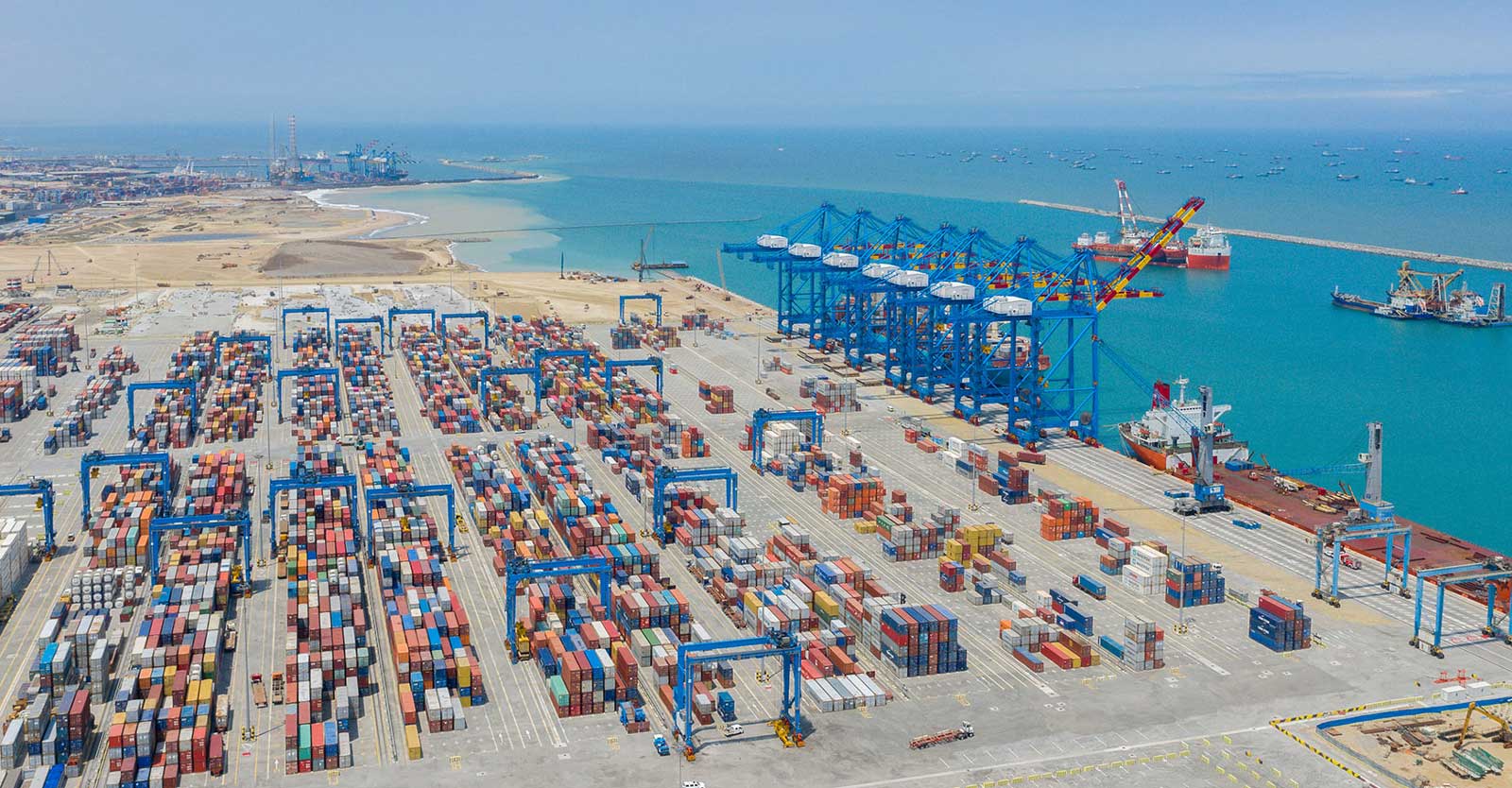
Real photograph of the Port of Tema container terminal in Ghana

Every shipment begins with a purpose. A family may be sending essential goods to loved ones. An entrepreneur may be moving equipment or inventory. A customer may be shipping a vehicle that will support work, mobility or a new business opportunity in Ghana.

At Oteng Global Logistics, we believe logistics should do more than move freight. It should help people make progress. That is the idea behind Moving a Brighter Tomorrow.

Connecting New York and Ghana

The movement of cargo between the United States and Ghana connects families, communities and businesses on both sides of the Atlantic. New York and New Jersey are major gateways for international freight, while Tema is Ghana’s largest seaport and an important destination for container and vehicle traffic.

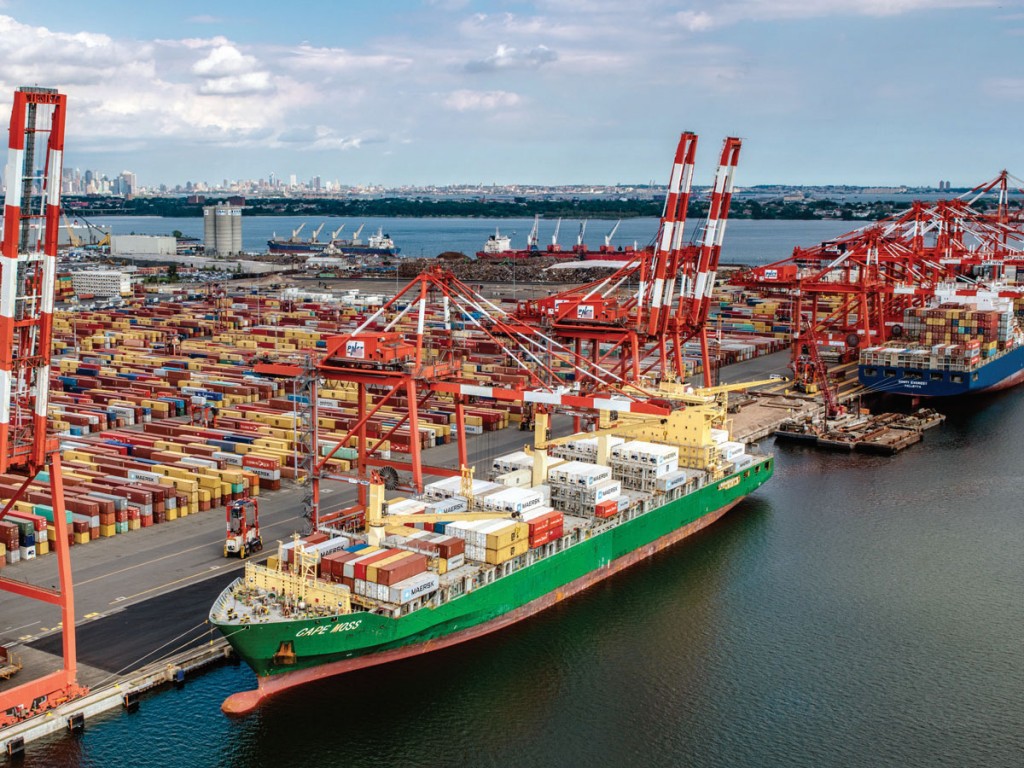
Real photograph of Port Newark container terminal operations
Port operations in the New York–New Jersey region support international cargo movement.

Moving More Than Cargo

International shipping carries more than boxes, barrels and containers. Behind every shipment is a person waiting for it, a family depending on it or a business preparing for its next opportunity.

That is why reliability matters. Customers need clear information about how their cargo will move, what documentation may be required and what to expect during the shipping process.

A brighter tomorrow begins when people can move what matters with confidence.

Vehicle Shipping With Purpose

Vehicles are an important part of trade between the United States and Ghana. Cars, trucks and other vehicles may support households, transportation businesses and commercial operations.

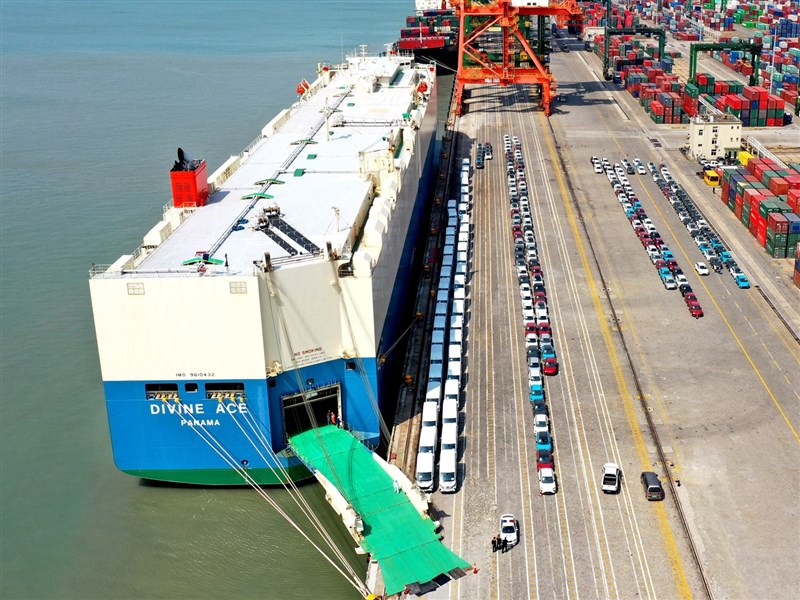
Real photograph of a roll-on roll-off vehicle carrier at port
Roll-on/roll-off vessels are designed to move wheeled cargo such as cars and trucks.

Careful preparation is important before a vehicle is shipped. Accurate vehicle details, export documentation and awareness of current import requirements can help reduce delays and make the process easier to manage.

Supporting Businesses and Entrepreneurs

Importers, retailers and entrepreneurs depend on freight services to keep goods moving. Depending on the shipment, ocean freight, air freight, vehicle transport, consolidation and inland transportation may all play a role.

For a growing business, dependable logistics can influence inventory availability, customer satisfaction and expansion into new markets.

Real photograph of warehouse workers handling palletized cargo
Warehouse handling and consolidation help organize cargo before the next stage of its journey.

Professional Service at Every Stage

International transportation can involve collection, warehousing, consolidation, export preparation, terminal handling, ocean or air movement, customs procedures and destination delivery. Each stage requires organization and clear responsibility.

Customers should not have to become logistics experts to understand their own shipment. A dependable freight partner should make the process clearer and communicate what happens next.

Moving a Brighter Tomorrow

Different shipments have different destinations, but the purpose is often the same: supporting families, helping businesses grow and creating new opportunities. For Oteng Global Logistics, every shipment is part of something larger — helping people move forward.

Connecting People, Businesses and Opportunities

Connecting People, Businesses and Opportunities | Oteng Global Logistics
Logistics Insights

Connecting People, Businesses and Opportunities

Reliable shipping between New York and Ghana is about more than moving cargo. It helps families stay connected, businesses reach new markets and opportunities move across borders.

Oteng Global Logistics  •  September 2026  •  6 min read
Vehicles being loaded onto a cargo vessel at a shipping terminal

Every international shipment has a purpose behind it. A barrel may contain household essentials for relatives. A vehicle may help someone start or expand a business. Commercial cargo may carry the inventory an entrepreneur needs to serve customers and create new opportunities.

At Oteng Global Logistics, we see logistics as the connection between those needs and the people waiting on the other side. Our focus is to help individuals, families, traders and businesses move cargo between the United States and Ghana with dependable support and clear communication.

More Than Shipping — A Stronger Connection

Shipping from New York to Ghana is about more than transportation. It is about maintaining relationships, supporting families and helping businesses continue moving forward.

Customers want to know what will happen to their cargo, how it will travel and what information they need to provide. Good logistics makes those steps easier to understand and gives customers confidence throughout the journey.

Warehouse and cargo handling operation
Cargo handling plays an important role in keeping personal and commercial shipments moving.

Supporting Families Across Continents

For many customers, shipping to Ghana is personal. Household goods, clothing, boxes, barrels, equipment and vehicles often carry much more than their physical value. They support loved ones, family projects and plans taking place thousands of miles away.

Every shipment has a story behind it — and every customer deserves clear communication and dependable handling.

Helping Businesses Reach New Markets

International freight also helps connect businesses to new markets. Importers, retailers and entrepreneurs rely on dependable transportation to move merchandise, vehicles, equipment and other commercial cargo between the United States and Ghana.

The right shipping method depends on the cargo, timing and destination. Ocean freight may be a practical choice for larger shipments, while air freight may be better when speed is the priority. Cargo consolidation can also help customers who do not require an entire container.

Container ship and cargo terminal New York skyline representing shipping origin

Moving Vehicles and Commercial Cargo

Vehicle shipping is an important part of the U.S.–Ghana trade corridor. Cars, trucks and other vehicles require careful coordination, accurate shipment information and an understanding of the process before they begin their journey.

The same applies to commercial freight. Preparing cargo correctly and confirming documentation in advance can make the process easier to manage. Customers should always verify current customs and import requirements before shipping.

Why Clear Communication Matters

International logistics can involve several stages, including pickup, consolidation, export preparation, terminal handling, transportation and destination procedures. When customers do not understand those stages, shipping can quickly feel complicated.

A dependable logistics partner should make the process easier to follow. Clear expectations, useful updates and professional support help customers make informed decisions about their shipments.

Ghana landmark at sunset
Connecting the United States and Ghana means connecting families, markets and future opportunities.

From New York to Ghana — and Beyond

The connection between New York and Ghana represents more than a trade lane. It connects communities, families and businesses on both sides of the Atlantic.

For families, a shipment can provide support and maintain relationships. For entrepreneurs, it can create access to products and equipment. For established businesses, reliable freight helps keep goods moving and operations running.

Different Destinations. A Brighter Tomorrow.

That is what Connecting People, Businesses and Opportunities means to Oteng Global Logistics. Every shipment has a purpose, and our role is to help that purpose move forward with care, organization and dependable logistics support.