We Receive in Ghana
When your shipment reaches Ghana, the journey is not over. We help coordinate the next steps—from arrival and clearance to receiving, handling and movement toward its final destination.

For customers shipping from the United States to Ghana, arrival at the port is one of the most important stages of the logistics process. Cargo must move through customs, terminal procedures and release before it can continue to a warehouse, collection point or final delivery destination.
At Oteng Global Logistics, “We Receive in Ghana” means helping connect the overseas shipping journey with the destination process on the ground.
Your Shipment Arrives in Ghana
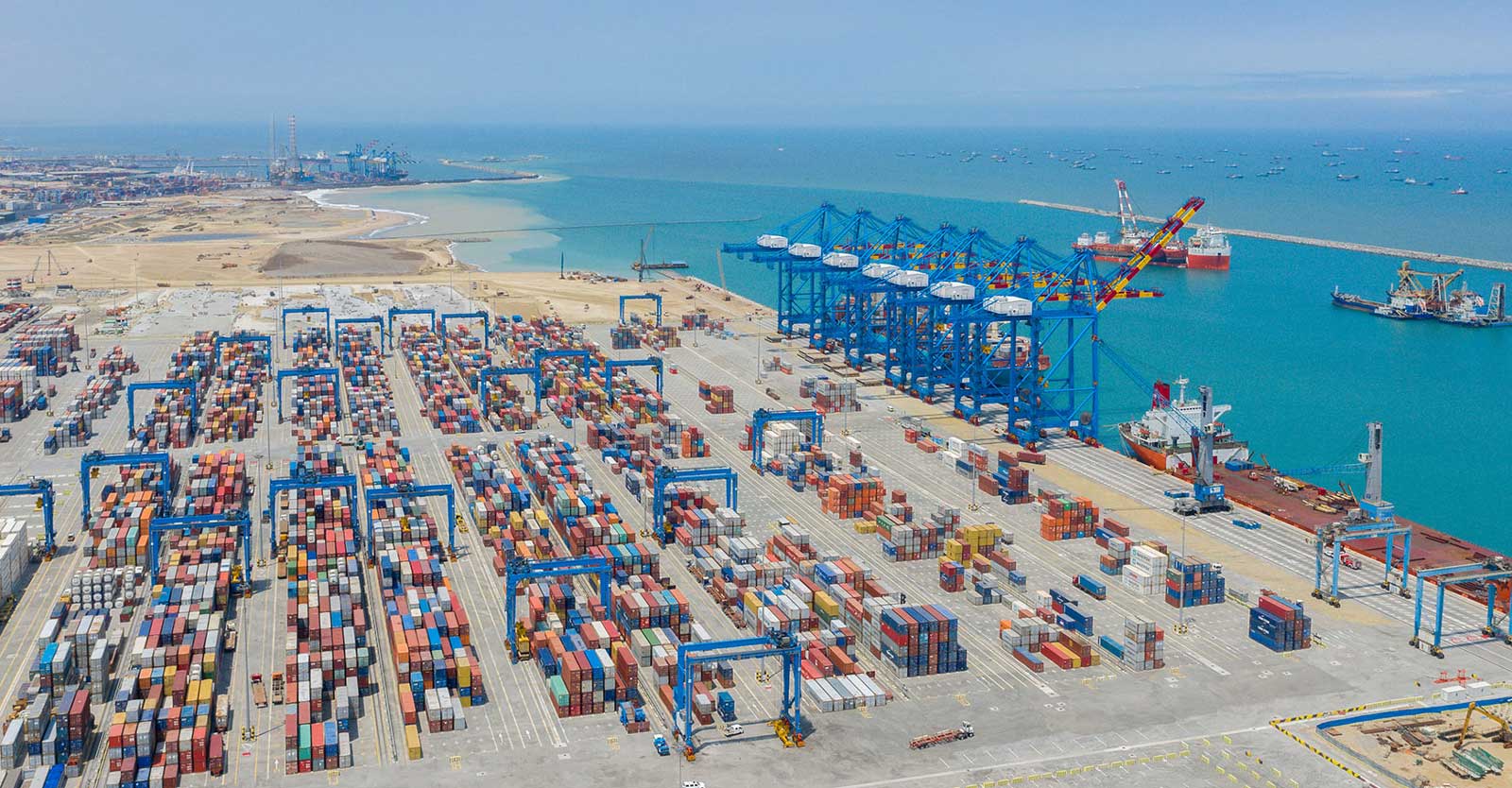
Most containerized cargo moving into southern Ghana arrives through the Port of Tema. Once the vessel arrives and the cargo is discharged, import documentation and customs procedures must be completed before the shipment can be released from the port or terminal.
Clearance Starts With the Right Documents
Ghana Revenue Authority currently lists the original waybill or Bill of Lading, attested invoice, packing list, Import Declaration Form, taxpayer identification and any required regulatory permits among the documents used to clear imported goods.
A licensed clearing agent submits the customs declaration through Ghana’s Integrated Customs Management System (ICUMS), where the shipment goes through classification, valuation and approval before applicable duties and taxes are paid and the cargo is released.
- Confirm vessel arrival and shipment details.
- Prepare the Bill of Lading and supporting import documents.
- Submit the customs declaration through the appropriate clearing process.
- Complete valuation, duties, inspections or scanning where required.
- Obtain customs and terminal release.
- Receive or collect the cargo from the terminal.
- Move the shipment to a warehouse, collection point or onward destination.
- Confirm final pickup or delivery arrangements.
We Help Coordinate Cargo Receiving
Once the shipment is released, cargo may need to be collected, transferred, checked, temporarily stored or prepared for onward movement. The exact process depends on whether the shipment is a full container, consolidated cargo, household goods, commercial freight or a vehicle.

From Port to Warehouse or Pickup
Some shipments are ready for customer collection after release. Others may need temporary warehousing, sorting, deconsolidation or coordination for onward transportation. A connected destination process helps customers avoid having to manage each step independently.
For container shipments, prompt evacuation from the port can also matter because storage and demurrage-related costs may increase when cargo remains at the terminal longer than expected.
2026: Tema Is Focused on Faster Cargo Movement
In 2026, Ghanaian authorities have been working to reduce congestion and improve container clearance at Tema. Recent measures have focused on faster inspection and clearance, improved coordination among agencies, better truck and container movement, and more efficient use of terminal space.
Receiving Vehicles in Ghana
Vehicle shipments have their own destination requirements. Accurate vehicle details and documentation are especially important because incorrect declarations can lead to queries and delays during customs processing. Customers should make sure the title, Bill of Lading and vehicle information are consistent before shipment.
Receiving Cargo With a Clearer Destination Process
For families and businesses, the shipment is only truly complete when the cargo has moved beyond the port and into the customer’s hands or onward destination.
For Oteng Global Logistics, “We Receive in Ghana” represents the destination side of the journey—helping connect international shipping with clearance, receiving, handling and the next movement on the ground.

Leave a Reply